

The green-glazed roofs, vermilion pillars, and symmetrical layout of Prince Kung's Palace reflect the order of life in a Qing Dynasty (1644–1911) princely residence. Within the palace, furniture made from huanghuali (Chinese rosewood), zitan (red sandalwood), suanzhimu (blackwood), and jinsi nanmu (golden-thread nanmu or Phoebe zhennan) and crafted with mortise-and-tenon joinery, offers a glimpse into traditional Chinese living.
Sep 22, 2026
Chinese cuisine is closely connected to the changing seasons. At Prince Kung's Palace, seasonal ingredients, traditional recipes, and festive customs reflect the refined lifestyle of a Qing Dynasty (1644–1911) princely residence.
Jul 31, 2026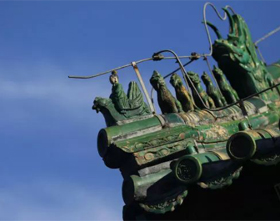
When visiting Prince Kung’s Palace, look up and you’ll find various ceramic mythical creatures lining the roof ridges.
Jun 09, 2023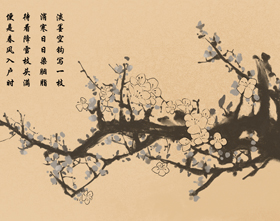
Winter Solstice, one of the 24 solar terms and one of the three major festivals in the Qing Dynasty (1644-1911), has the longest night in the year.
Jan 04, 2023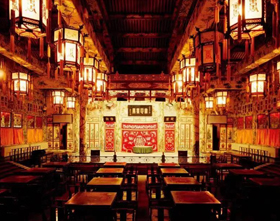
Spring Festival affairs after Laba Festival
Dec 30, 2022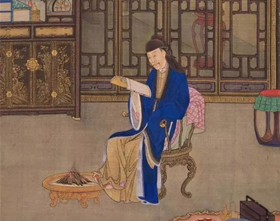
There was no advanced central heating system in ancient times; however, there was a day when people would burn stoves for heating.
Dec 15, 2022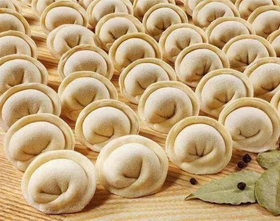
Ancestral worship was conducted every Winter Solstice morning in the prince’s residence, with wonton as a sacrifice.
Nov 29, 2022Water is an indispensable and charming element in garden art. The garden waters of Prince Kung's Palace make it more vital.
Jun 24, 2022 京公网安备11010202010962


